
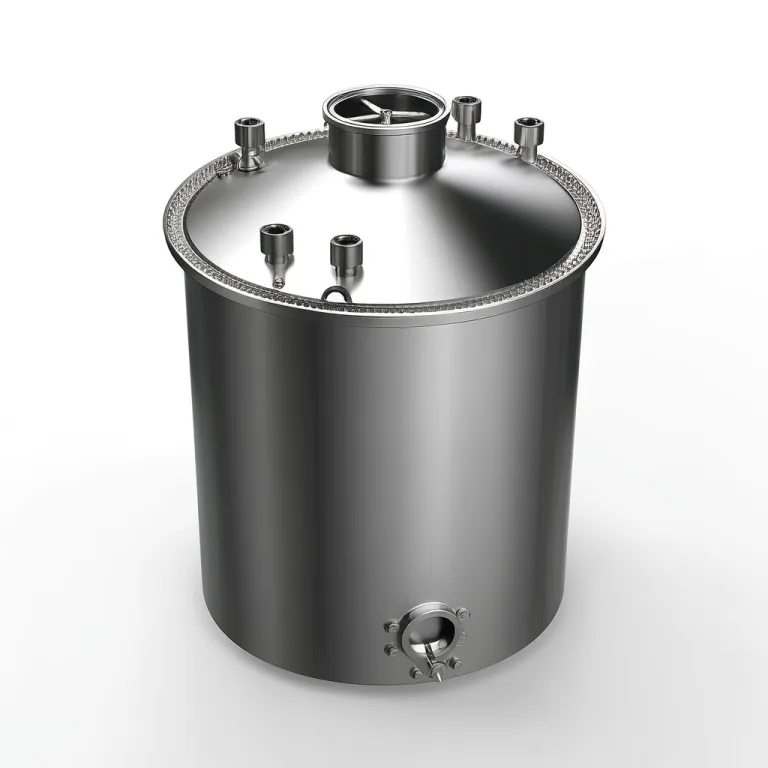
Hastelloy Reactor
Hastelloy Reactor for industrial applications.
About Hastelloy Reactor
Hastelloy Reactor for industrial applications.
| Domain | chemical |
|---|
Who Works With Hastelloy Reactor?
4 engineering roles are connected to Hastelloy Reactor based on verified research evidence.
Technician
Technician is a widely recognized professional role in HVAC engineering, explicitly referenced in ASHRAE guidance for cooling tower systems. While generic, it denotes a credentialed, hands-on technical role responsible for installation, commissioning, operation, inspection, maintenance, troubleshooting, and testing of HVAC equipment including cooling towers. It is not product-specific (e.g., no 'Cooling Tower Technician' prefix), so product_specific_title = false. The role is distinct from engineers or operators and falls under the Maintenance family with broad technical execution responsibilities.
Process Operator
Freezer Operator is a widely recognized frontline operations role in food and beverage processing, specifically tasked with running, monitoring, and performing basic maintenance on freezing equipment such as IQF tunnel freezers. While 'Freezer Operator' includes a product-specific modifier ('Freezer'), the underlying professional role is standardized as 'Process Operator' (a core industrial operations function), with specialization in thermal processing/freezing systems. Evidence from FoodProcessing.com confirms its use as a real job title requiring IQF-specific competencies, HACCP, GMP, and preventative maintenance — all consistent with operational ownership of the equipment.
Metallurgist
Metallurgist is a well-established, globally recognized engineering profession (e.g., licensed in many jurisdictions, ABET-accredited programs, SME/ASM professional societies). In the context of Vacuum Induction Melting (VIM) furnaces — used for producing high-purity superalloys, titanium, and specialty steels — metallurgists play core technical roles: specifying furnace parameters (vacuum level, induction frequency, crucible materials), designing melting cycles, interpreting microstructure/chemistry outcomes, troubleshooting defects (e.g., gas pickup, segregation), validating melt quality via testing, and advising on maintenance of refractory linings or induction coils based on metallurgical degradation mechanisms.